
In Used Clothing Export, Grading Is Life or Death
One container, eleven tons of used summer clothing. The customer's inspector graded the A-grade share twenty points below ours, and A vs. B differs by 1,300 yuan per ton. The dispute froze for two days; we conceded 28,000, then spent a month building a twelve-page grading manual.
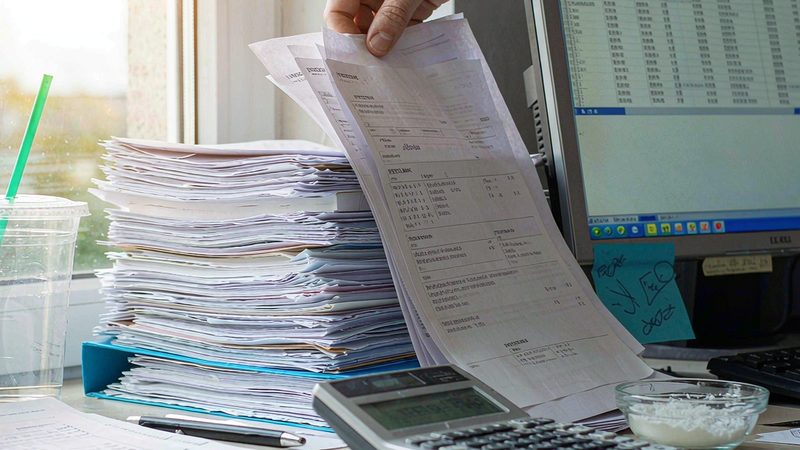
In used clothing export, the goods are cheap — a few thousand yuan a ton — but the quarrels outnumber those in excavator sales. Every quarrel is the same one: is this shirt Grade A or Grade B?
March 2018, our sorting warehouse in Dongguan. A container of used summer clothes was being readied for Tanzania — eleven tons, packed into 320 bales. The customer's representative flew in to inspect the goods, and inspection turned up a problem.
The sorting warehouse starts at seven in the morning, six sorters on the line. Clothes tumble out of the mixed bales, get shaken open, glanced at for three seconds, and tossed into the matching bin — A, B, C. By day's end there are three small mountains on the floor.
The mixed stock comes from collection points in several northern cities, just over a thousand yuan a ton. Nothing is graded at collection — good and bad all mixed together. The grading step is our livelihood, and also our risk.
One bale of clothes, two verdicts
Inspection day stuck with me. The representative opened six bales at random, held up a men's shirt, and asked me: this one — you graded it A?
I said yes: ninety percent new, no stains, no damage, collar and cuffs intact.
This representative was in his forties, with his own stall in the Dar es Salaam market, twenty years of handling used clothes. He flipped garments faster than our sorters — armpits, collar, crotch — one look, one touch, and the grade was out.
He turned the shirt over, pointed at the armpit, and said: yellowing here — in our market this is B. Then he picked up a pair of jeans: knees worn white — and this counts as A?
After six bales, his A-grade share came out at fifty-five percent. Our sorting records said seventy-five. A twenty-point gap.
A-grade and B-grade differ by 1,300 yuan a ton. Twenty percentage points across one container is a 28,000-yuan gap.
Same garment, two grades — why
Nobody did it on purpose. This trade has no shared ruler.
Mixed stock moves at one price per ton, everything inside. Sorting is the alchemy that turns it to gold — one point higher on the A share and a container earns over a thousand more. So every house builds its ruler a little loose: yellowing they "can't see," wear that "still wears fine."
Customers aren't fools either. They open bales on arrival, and whatever they find gets docked from payment. The trade calls it port-side price slashing. Everyone does it, and after a while nobody trusts anyone.
Our fastest sorters clear 1,200 pieces a day, three seconds per garment. In three seconds you check stains, wear, collar, zipper, buttons, pilling. Do it long enough and your hands outrun your eyes.
But yellowing: warehouse light is white light; the African market is open sun. Yellow that hides under white light shows plainly under the sun.
And wear. Our standard was: wearable and unbroken passes. The customer's standard is: it has to look good on a stall. One is a use standard, one is a display standard. Both are right — and they collide.
We conceded 28,000
The dispute froze for two days. The representative wouldn't release the goods; the container sat; the sailing was April 2.
The boss asked my view. I said: concede this one. Not because his standard is right and ours wrong — but because two standards were never aligned, and the customer shouldn't carry that cost alone.
In the end, the container was re-settled at his graded proportions, and we took in 28,000 less. Repacking meant redoing the A/B split — four extra days of labor, 6,400.
During those four rework days, six sorters opened all 320 bales and re-sorted every piece. I supervised on site for two days; by day three my back wouldn't straighten. The sorters were tougher than me — they squatted through day after day.
All told: 34,400. That container was basically worked for free.
The mood in the warehouse those two days was ugly. The sorters felt wronged. The line lead told me: if we grade to his standard, this trade can't be done. I said it's not that it can't be done — it's that the old days have run out.
We built the standard ourselves
After that, I spent a month building a grading manual — twelve pages, every rule paired with photos.
Yellowing: at armpit or collar, anything visible under natural light is B, no matter how faint. Wear: knees or elbows worn white beyond the size of one palm is B. A zipper missing teeth or more than one button missing goes straight to C. Pilling over twenty percent of the surface: B.
All grading is done under a daylight lightbox, bought to match African noon sun — 6,500K color temperature.
Every bale carries a spot-check photo, bale number matched to photo number. The customer inspects the photos first, then opens bales; disputes get checked rule by rule against the manual.
When the manual was done we trained first — six sorters, three days of study. Day four was the exam: a hundred mixed garments, and you only kept your post if you matched my grading on eighty or more. Two veterans failed and were moved to packing.
Piece-rate pay changed too — no longer per piece, but per accuracy. The slower sorters earned less that month, but rework vanished, and within three months they'd caught back up.
The manual ran until mid-April: three containers shipped in six weeks, zero disputes. The Tanzanian representative came for his second inspection, and the first thing he asked at the door wasn't price — it was whether we'd brought our manual.
In this trade, the final contest isn't whose goods are cheapest. It's whose Grade A is always Grade A.