
That Year We Didn't Lay Off a Single Person
In 2020 revenue fell thirty-eight percent, and at the worst point the account held barely two months of payroll. Management took a thirty percent pay cut and the Dongguan expansion was shelved, but not one of our forty-seven employees was let go.
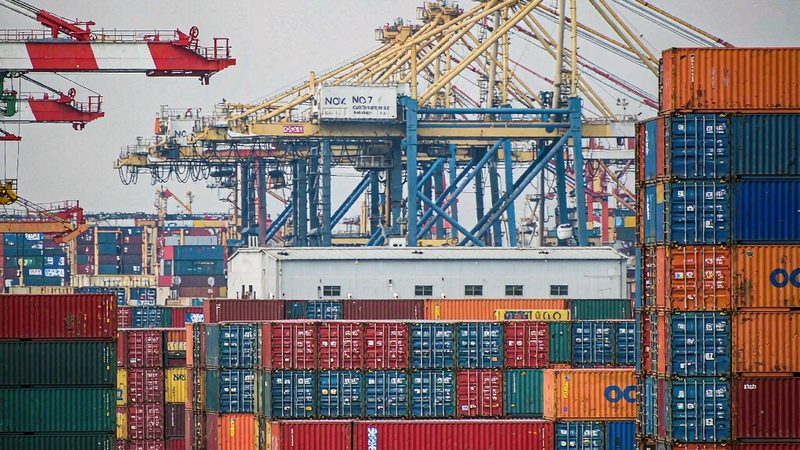
On October 28, payday, Finance brought me the payroll sheet to sign. Forty-seven people, paid in full, on time. After signing I sat in the office for a while, thinking of that April night, same office, when I almost signed a very different list.
That list had names on it. Eleven of them.
That Night in April
The April books were ugly. Q1 revenue was thirty-one percent of the same period last year, and March was the worst: nine machines all month. On April 8 I went through the accounts with Finance: after setting aside May's yard rent and payments due, the cash on hand covered two months of payroll.
That night I sat circling names on the staff roster. Four from the warehouse, two from documentation, three from order tracking, one from finance, one cleaner. Eleven people. Cutting those eleven would save 86,000 yuan a month and keep the company alive to year-end.
While circling, my pen stopped on one name. Xiao Liu in the warehouse: twenty-seven, from Hunan, married back home just last year, wife pregnant. He makes 5,800 yuan a month and works harder than anyone. I circled him, crossed it out, circled him again.
The list was drafted. I did not sign it. I told myself: hold on one more month and see. Driving home that night, I sat in the car for half an hour without starting it.
Cut Us, Not the Staff
On April 10 we held a meeting, the five of us in management: me, Zhou Li, Lin Qiao, Lao Li, and Finance. Three decisions came out of it.
One, management pay cut of thirty percent starting in May; fifty percent for me and Zhou Li. Two, the Dongguan sorting warehouse expansion stopped; we wrote off the 30,000 yuan deposit and ate the breach fee. Three, no pay cuts and no layoffs for the staff, but with fair warning: if things had not turned around by August, we would revisit.
Nobody objected at the meeting. Zhou Li said only one thing: a fifty percent cut was fine with him; his wife's salary covers the groceries. Lin Qiao asked what we tell customers. I said we tell them the truth: the expansion is stopped, no new warehouses this year.
As the meeting broke up, Lao Li said something. In his twenty years at repair shops he had watched three of them go under. The first laid off workers. The second laid off the master mechanics. The third laid off no one; the boss closed the doors himself and went to drive a taxi. The two that laid people off, he said, never could reassemble a team when they tried to restart.
Machines can be bought again. Once people scatter, they are gone. Inspectors, loading crews, documentation clerks: these are the hardest things to regrow in a company. A good inspector takes three years to train. Laying one off takes a day.
The Months We Held On
From May, video inspections started working and orders trickled back. June moved twenty-six machines, July thirty-four. On August 15, the cash balance climbed back above the three-month payroll line. I posted four words in the group chat: all clear.
Those months were hard on everyone. In April and May there was almost no work in the warehouse. I rotated the staff through leave, paid leave. Some quietly asked me if they should pick up side jobs. I said no; rest up, the work will come back.
Management travel stopped too. In June I went to Foshan to look at a machine: second-class high-speed rail both ways, a 180-yuan chain hotel. Zhou Li laughed at me: boss, your room is smaller than the warehouse office. I said as long as I can sleep in it, it is fine. What we save is payroll.
The pay cuts ran until November. In December revenue recovered and management pay was restored. The cut portion was never back-paid, and nobody brought it up. At a meeting I said thank you. Zhou Li waved his hand: don't mention it; mentioning it makes us strangers.
When the year's books closed, revenue was down thirty-eight percent from 2019, and profit was roughly breakeven. For a foreign-trade business, that is not a bad score. I know peers who did only twenty percent of their normal volume all year, and three freight forwarders I know left the industry.
How They Paid Us Back
I never lectured the staff about the no-layoff decision; they knew on their own. Word about that April list somehow got around later.
During the busiest stretch in July, port space was tight and shipment dates piled up. The warehouse crew went twenty-one straight days without a day off. Lao Wang, the loading master, was still stuffing containers with his crew at ten at night, and nobody mentioned overtime pay. Xiao Lin from documentation, to catch a vessel's customs cutoff, took a taxi to the terminal hugging the paperwork and waited at the gate until one in the morning.
Xiao Liu, the name I circled and crossed out, called me at midnight one night in July. While inspecting a machine he had found the chassis number ground down and illegible. Suspecting a re-badged machine, he did not dare load it. I drove to the warehouse overnight and spent two hours checking; it was indeed a problem machine. That one call saved the company at least a hundred thousand yuan.
When we hired two more warehouse hands in September, more than a dozen applied, three of them referred by current employees. Asked why they came, they said they had heard this company did not lay anyone off during its worst stretch last year. That sentence works better than any job posting.
At the end of October, when Q3 overtime was being tallied, the warehouse supervisor handed in the sheet, then took it back, saying he wanted to redo it; he had over-recorded a few people's hours. I said no need, pay what it says. He said it is different; the company is having a hard year.
The company had a hard year because the world outside was hard. As long as the hardship did not land on the people, the people would not let hardship land on the company. That account is a lot easier to settle than April's cash flow.