
We Set Up a Transit Warehouse in Dubai
A 1,200 m² warehouse in Jebel Ali at AED 420,000 a year — fixed costs of RMB 98,000 a month. The first RMB 2.6 million of stock moved in, and delivery times for Middle East customers dropped from 45 days to 9.
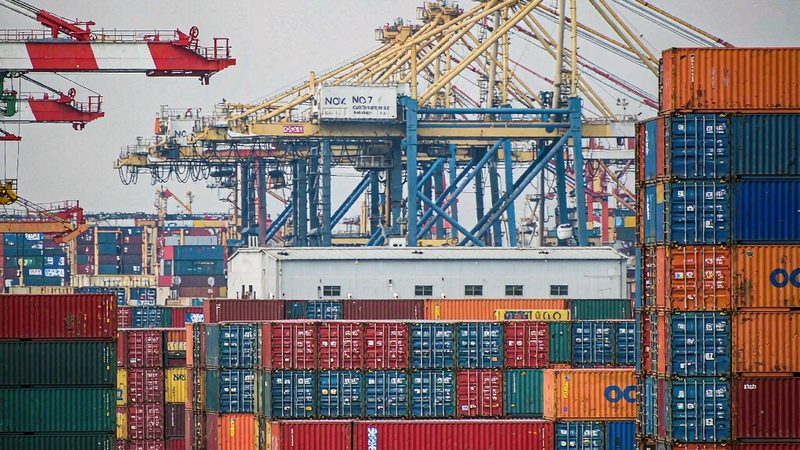
March 11th, Dubai, Jebel Ali. Two in the afternoon, 34°C outside, and I stood in a 1,200-square-meter warehouse watching workers pull our first batch of goods out of containers.
Forty generator sets, twenty-six forklifts, and nine pallets of inverters. The batch left Nansha on March 2nd and arrived in nine days — shipping schedules almost suspiciously on time.
We signed this warehouse for two years. Here's why Dubai, what it costs, and whether it's worth it.
I hesitated two months before committing. The board's objection was blunt: overseas warehouses are heavy assets, and we're a trading company, not a logistics company. I pulled three years of Middle East orders and counted the deals we'd lost over lead times — roughly eleven, worth over RMB 4 million. Once the data hit the table, nobody objected again.
Why Dubai
Nobody doing Africa and Middle East business gets around Dubai. Sailings are dense — three to four a week from Nansha to Jebel Ali — and onward to East Africa doesn't save much freight, but it's flexible: miss one sailing, catch the next.
What matters more is customers. Mohammed in Tanzania, the old customers in Kenya — they all connect through Dubai on purchasing trips. Once they're here, they can see stock in person, touch it, talk, and take delivery on the spot.
Last November I met three customers in a Dubai hotel lobby and noticed they all asked the same question: "Do you have stock we can see?" Photos and videos don't close equipment deals; the customer has to stand next to the machine. That question is what made me rent the warehouse.
Since the pandemic ended I've flown to the Middle East four times a year. Every trip, customers complained about the same thing: place an order, wait a month and a half, and the job site sits idle. Anyone in this trade knows what the words "in stock" are worth.
The Costs, Laid Out
1,200 square meters, AED 420,000 a year — about RMB 840,000. Three months' deposit plus one month paid. Partitions and racking cost AED 110,000. Two local workers plus one warehouse keeper: AED 19,000 a month in labor.
All in, fixed costs run about RMB 98,000 a month — triple Panyu. Before signing I toured six warehouses nearby; this one is 11 km from the port, twenty-three minutes by truck, the smoothest of the lot.
One warehouse was 20% cheaper, but getting in and out meant a stretch of bad road, and forklifts couldn't get out when it rained. Cheap isn't worth chasing — a transit warehouse's first job is getting goods in and out fast.
The math goes like this: a Middle East customer wants stock. Shipping door-to-door from Guangzhou takes 45 days. With goods staged in Dubai, order to pickup is seven days. For generator sets, when a customer needs one urgently, every extra month of waiting is a lost deal.
And one benefit outsiders never think of: after-sales. Before, when a Middle East customer needed a spare part, it went from Guangzhou by courier — two weeks with customs. Now parts ship with the goods and sit in the warehouse; the customer drives over and it's solved the same day. Our warehouse keeper Ali used to work in express delivery and knows part numbers better than I do.
What the First Batch Brought In
The first batch was a toe in the water: forty 50 kW Yuchai generator sets, staged for the Middle East's summer blackout season; twenty-six 3-ton forklifts, half JAC and half Hangcha; and nine pallets of inverters to fill last year's backorders.
Total value: RMB 2.6 million. Parking that much money 8,000 kilometers from home, I slept badly the night before signing and got up at midnight to reread the insurance clauses.
The day after stocking in, a local UAE customer came to see the forklifts and took four on the spot, cash. The profit on those four covers twenty days of this warehouse's running costs.
I logged the inbound day: two containers, four and a half hours of devanning, workers pre-booked by the keeper, forklift devanning at about RMB 180 per machine. The forty generator sets took half the warehouse, stacked two high on timber dunnage against the damp season.
How Much Lead Time Shrank
In the first ten days of March, four orders shipped out of the warehouse. Average lead time fell from 45 days to 9. The fastest: a Saudi customer ordered Friday, goods were loaded Sunday, and reached Dammam the next Wednesday.
But there are problems. Ramadan started March 11th, daytime customs efficiency halves, and clearance stretched from two days to five. I hadn't planned for that rhythm; the first batch's clearance took three extra days, and next year we'll dodge the pre-Ramadan arrival rush.
One more expense I didn't see coming: air conditioning in the warehouse. Generator batteries hate heat, the warehouse hits 46°C in the afternoon, so we installed two industrial units — AED 2,300 a month in electricity. Not in the budget. My miss again.
The warehouse is a month old, and it's too early to call it a success. Same time next year I'll write another piece telling you whether the RMB 840,000 was worth it.