
Our Containers Got Rolled — Nine Days Stuck at the Port
On January 13, the carrier rolled our three containers; the next direct sailing was nine days away. Storage fees, demurrage, and rebooking came to 9,100 yuan on paper, plus 15,000 in schedule compensation to the customer. As I write this, the boxes are in their fifth day at the Nansha yard.
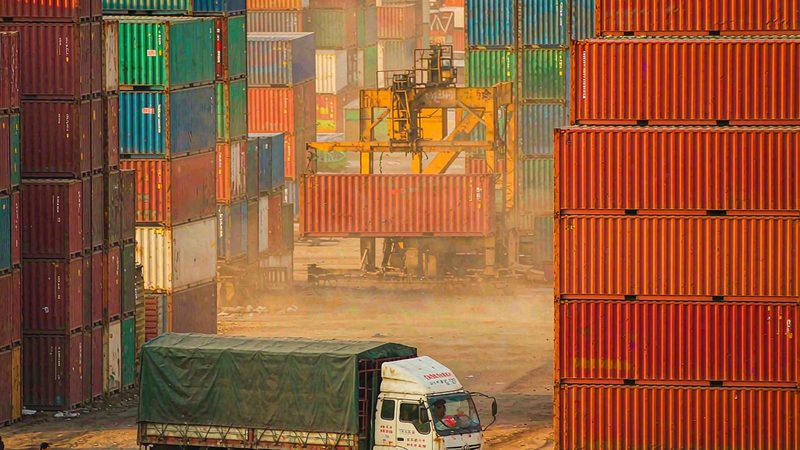
January 12, 2019, Nansha Port. The last pre–Spring Festival sailing to East Africa was scheduled to depart on the 14th. Three of our containers were booked on it: two Komatsu 200s and one SDLG wheel loader, bound for Mombasa, for a Kenyan road-building company.
Those three boxes had been packed on December 28 — deliberately delivered to port half a month early, precisely to dodge the pre-holiday peak. The peak turned out to arrive half a month earlier than we did.
At four in the afternoon on January 13, the forwarder called with one sentence: your boxes got rolled.
I was at the warehouse supervising another shipment's packing. At the word "rolled," I nearly dropped the wrench in my hand. Those three boxes: the customer had paid fifty percent down — 550,000 yuan.
What "getting rolled" means
In the pre-holiday rush, carriers book to 120 percent of capacity. The overbooked boxes don't make the ship and get rolled to the next sailing. Who gets rolled depends on freight rates, on carrier relationships, and on luck.
All three of ours got rolled. The next direct sailing on the route: January 22 — nine days later.
I drove to the terminal in an hour and made four calls to the forwarder on the way. Could we switch vessels? The nearest option transshipped through Singapore — seven extra days, forty percent more cost. Could we squeeze back on? Pre-holiday slots were full; jumping the queue was 8,000 per box, no guarantee. Run the numbers and waiting nine days was the cheapest option.
When I reached the terminal, the boxes were already in the yard — machines inside, untouchable. The yard crew said: it's like this every day before the festival; you're not the worst off — the company next door had all eight boxes rolled.
Outside the gate, trucks queued bumper to bumper, drivers out smoking and cursing. I asked at the carrier's window; the clerk didn't even look up — the rolled list is posted on the wall, see for yourself. All three of our container numbers were on it.
What nine days cost
Getting rolled isn't just waiting — every day spends money. By the time I write this, the ledger is clear.
Storage: three boxes, nine days, 4,050 yuan charged by the terminal. I verified it twice at the window; they slapped the rate sheet against the glass — 150 per box per day, not a fen less.
Container demurrage: the carrier's boxes are free for seven days; beyond that, forty dollars per box per day. Three boxes, two days — 240 dollars, about 1,600 yuan. Rebooking fees for changing vessel and voyage: 1,200 charged by the forwarder. Re-declaring customs plus miscellany: 2,300.
Money on paper: 9,150.
What's invisible is capital. Those three boxes held 1.1 million yuan of goods; the customer's balance pays against the bill of lading — a ship nine days late means money nine days late.
During those yard days I went every other day to check the seals were intact. Terminals get chaotic before the festival, and parts theft happens every year. I photographed all three seal numbers and kept them in my phone.
The customer's schedule
The trouble was on the customer's side. Kenya's rains start at the end of March; the road company had a government contract requiring the roadbed to pass acceptance before the rains. Equipment nine days late meant clawing back time elsewhere.
At nine that night on January 13, I called the customer's project manager and opened with three things: the boxes were rolled, the next sailing is the 22nd, and here's what we'll cover.
He was silent for a dozen seconds, then said: if we can't mobilize before the rains, our penalty is eight hundred dollars a day.
I said: here's the offer — we cover half the inland transport from the port, all of your clearance agent fees, about 15,000 yuan in total. On top of that, our man travels with the machines to the port and watches the first three days after landing, handling problems on the spot.
He thought for a moment and said: agreed — but from now on, build buffer into the sailing schedule for me.
After hanging up, I posted the whole thing in our group chat. The boss replied with one word: carry it. That night we put the compensation plan into an email — black on white, no future wrangling.
What nine days taught me
As I write this it's January 17 — the boxes' fifth day in the yard. The slot on the 22nd sailing is confirmed; this time we paid extra for slot protection.
Last night I made another trip to the yard. Three boxes sitting quiet, seals intact. The night watchman said: your boxes get visited every day — nothing will go missing. I said: it's not theft I'm afraid of. It's that I can't sleep.
The customer's project manager emailed yesterday too, asking only one thing: is the 22nd certain? I replied: slot protection purchased, confirmation letter in hand.
The full ledger of those nine days: 9,100 in direct costs, 15,000 in customer compensation. 24,000 yuan for three lessons.
One: for slots in the thirty days before Spring Festival, book twenty-one days ahead, and buy slot protection. Three hundred extra dollars per box — far cheaper than getting rolled.
Two: delivery dates in contracts around the festival get fifteen extra days written in — put the rolled-cargo days into the paper.
Three: the day you get rolled, notify the customer. One day late, and the compensation doubles.
One more that never made the lessons list: your forwarder matters. This time, ours warned us half a day early. The eight-box company next door found out on sailing day. Half a day is enough to finish every customer call.
Anyone who's been rolled once can smell a peak season coming. Starting next December, I'm watching slots.